
Food as Medicine: What Nourishment Really Means in Everyday Life
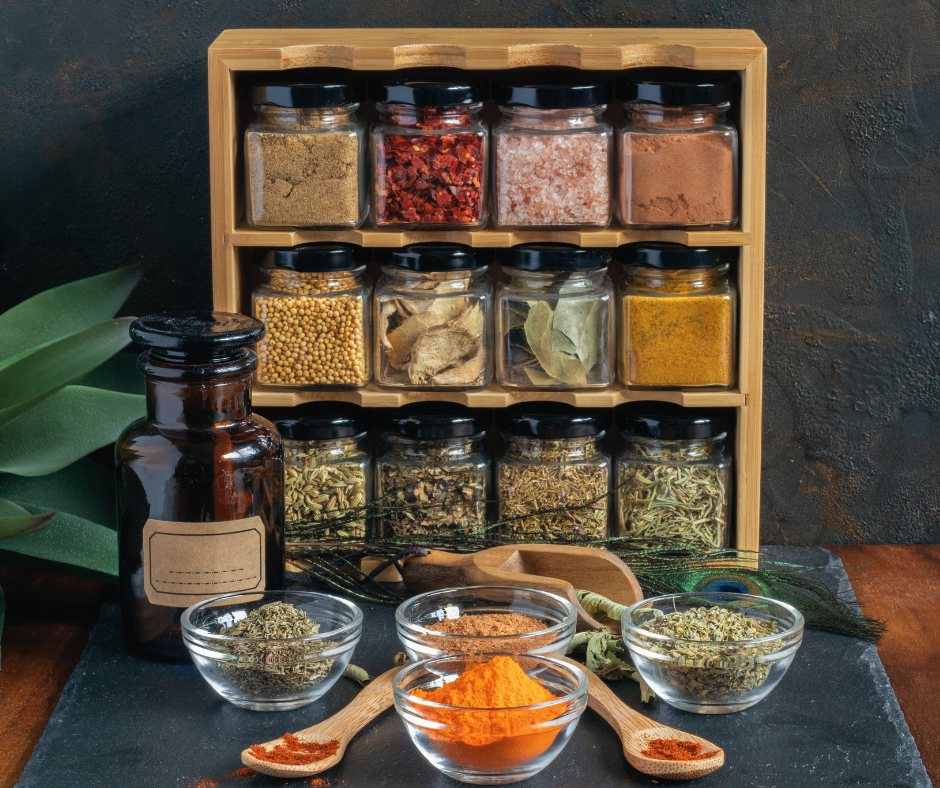
I’ve always found the phrase “food as medicine” both inspiring and infuriating — sometimes in equal measure. It inspires me because I deeply believe in the power of real food. Not food created in a lab. Not food engineered for shelf life or convenience.
But actual food. Whole food. Food that comes from the earth.
Most of us already know this on some level. And when you look at what are called the Blue Zones, you can see what that looks like in real life.
Blue Zones are regions in the world where people consistently live longer, healthier lives — places like Sardinia (Italy), Okinawa (Japan), Ikaria (Greece), and parts of Costa Rica. These communities tend to eat very little processed food…
They eat what is local and seasonal.
They cook simply.
They move their bodies naturally throughout the day.
They live in strong communities.
They spend time outdoors.
They live in rhythm with the land.
Food is a big part of that — but so are relationships, purpose, connection, and a slower pace of life.
Nourishment is about more than what’s on the Plate
And then there’s the part of “food as medicine” that infuriates me.
When you really look at the modern food system, it’s hard not to feel a little angry. So much of what passes for food today is manufactured, not grown. Designed for profit. Designed for shelf life. Designed to be cheap.
What feels especially backwards is this: The more real and nourishing food is, the more expensive it tends to be.
It shouldn’t cost a fortune to eat well. And yet, for most of us who don’t live on farms and grow our own food, eating well takes intention — and often a bigger grocery budget.
My Own Journey
My own journey into this world deepened years ago when I was diagnosed with Graves disease (hyperthyroid). That experience sent me down a long road of learning, healing, and eventually earning my master’s degree in nutrition. It also permanently changed the way I think about food.
In many ways, that shift is what eventually shaped everything I do now.
It’s what shaped the way I bake. It’s why I’m so committed to slow fermentation, good flour, and bread that’s meant to nourish rather than just fill. The Little Bread Box has always been my way of bringing that philosophy to the most everyday food there is.
When you start looking at food this way — whether it’s bread or anything else you eat every day — you also start to realize that not all nourishment lives at the same depth.
Some foods are beautifully simple and foundational. They make up the backbone of a good, steady diet. And then there are other foods that are more concentrated, more mineral-rich, more targeted in what they offer the body.
And Then… There’s Superfoods
That’s where the idea of superfoods really comes in for me. I’ve found that when you discover a few that truly resonate with your body and use them consistently, day after day, they can quietly make a meaningful difference in how you feel over time.
There are the ones most people already know about — berries, leafy greens, nuts and seeds, good fats, fermented foods. All wonderful. All foundational.
And then there are what I think of as top-tier, traditional superfoods.
These are foods that have been used in traditional cultures for a very long time — not because they’re trendy, but because they’re deeply nourishing and remarkably dense in nutrients.
If I had to name my Superfood “Top-Tier”, it would look something like this:
Medicinal mushrooms: immune & nervous system support
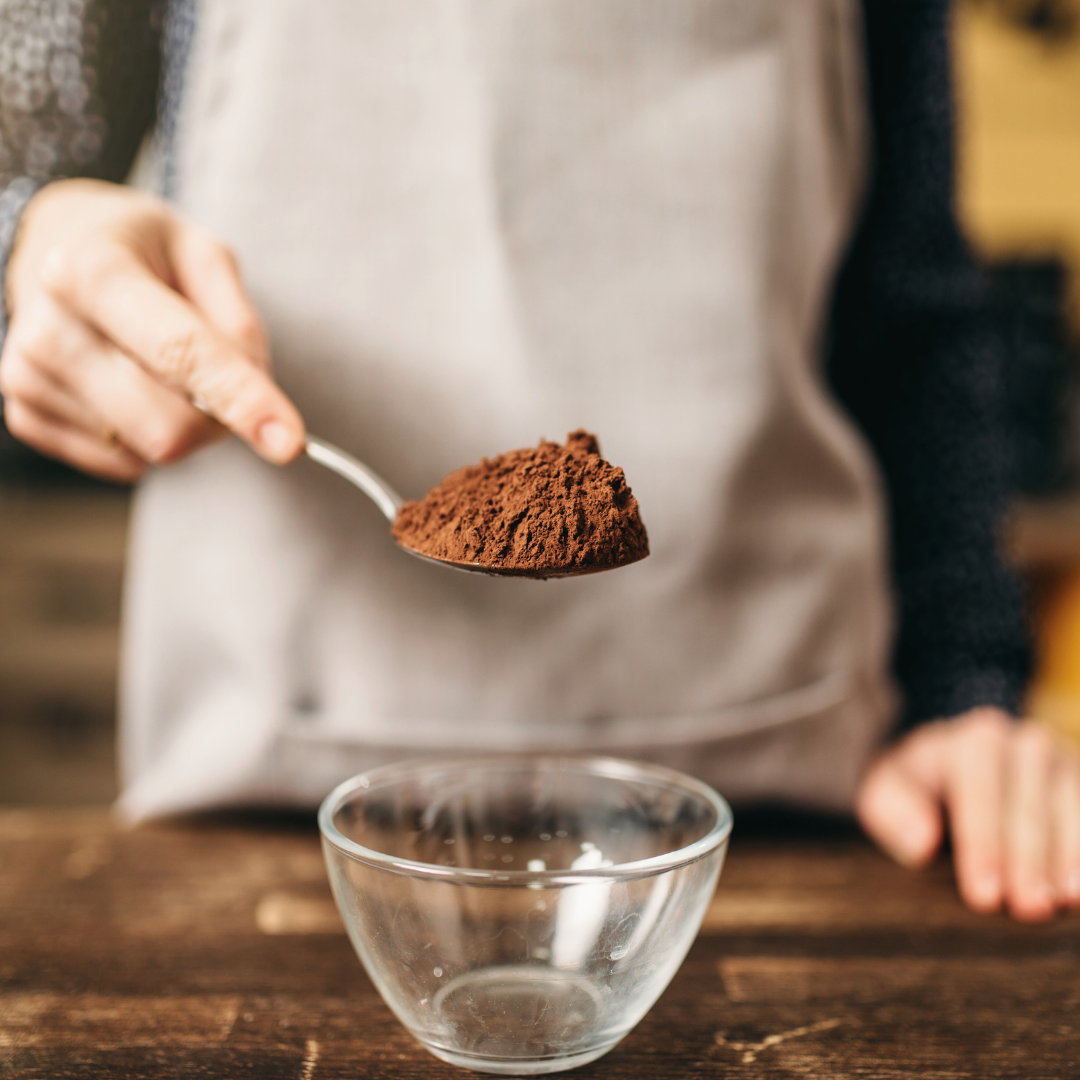
Raw cacao: minerals & gentle energy
Bee products (honey, pollen, royal jelly, propolis): enzymes & vitality
Blue-green algae (spirulina, etc.): chlorophyll & detoxification
Marine phytoplankton (microscopic ocean plants that form the base of the marine food chain): trace minerals & cellular nourishment
Sea veggies / seaweeds: iodine, minerals & metabolic support
These are foods that work quietly and steadily at a deep, foundational level in the body.
They’re not quick fixes. They’re not flashy. They’re the kind of nourishment that supports health over time- when used consistently.
In Another Chapter
In another chapter of my life, when I was running a wellness center, I used to guide clients through cleanses and food resets. One of the very first things I created back then was a superfood blend that could be made into a drink, blended into smoothies, or even used in baking.
I’ve kept some version of that idea with me ever since — refining it, simplifying it, and bringing it more in line with how I think about food now.
That’s what led to ReVive.
ReVive is a cacao-based, whole-food tonic designed to support daily energy, stress resilience, and deep nourishment. It’s not sweet. It’s not a protein powder. It’s not a stimulant. It’s not a shortcut. It’s meant to be a daily ritual — something you return to again and again.
Inside ReVive, You’ll Find Things Like
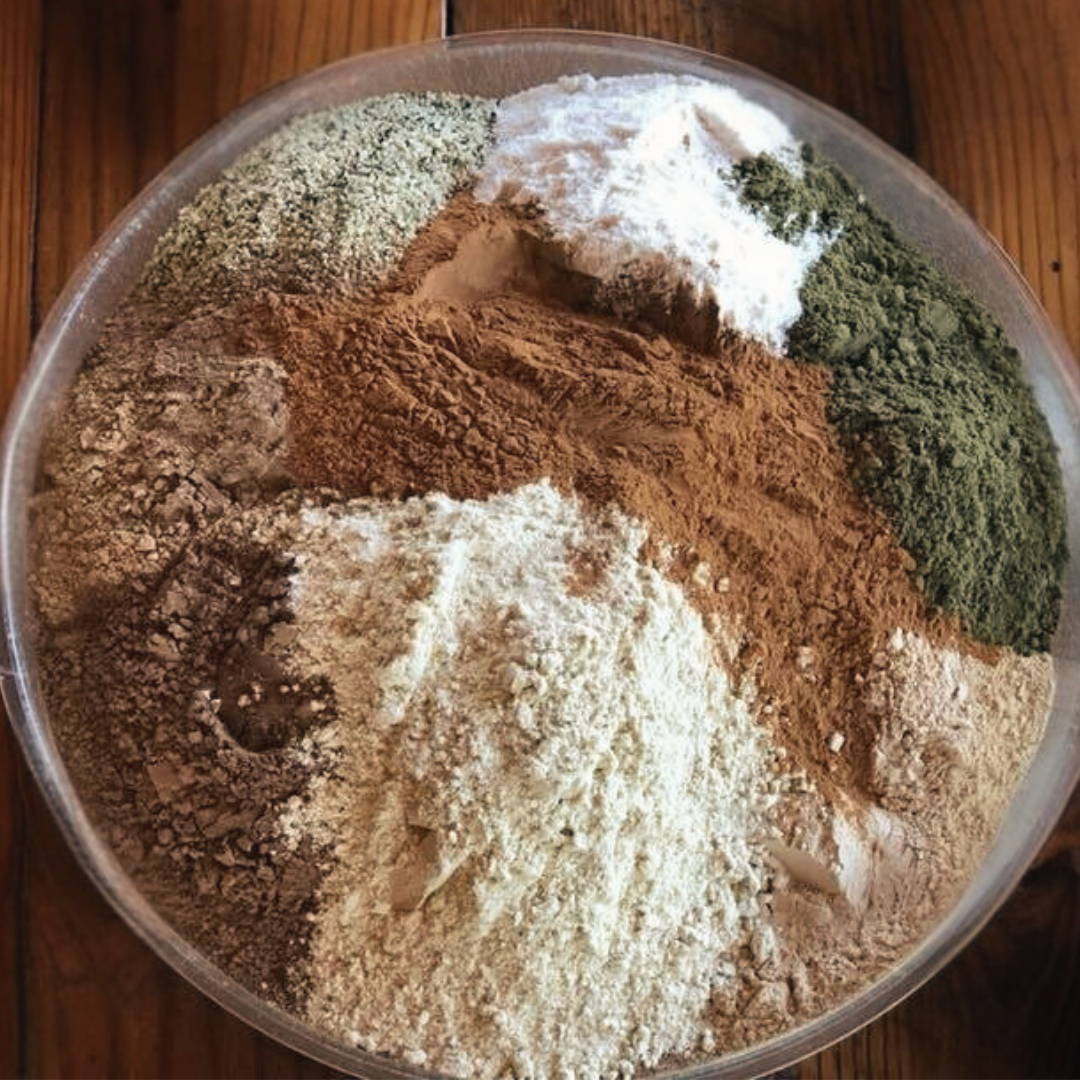
Raw cacao: minerals, antioxidants, and gentle, sustained energy
Medicinal mushrooms: for resilience and long-term support
Maca and mesquite: for nourishment and stamina
Hawthorn berry: for the heart and circulatory system
Rhodiola: stress adaptation MSM for connective tissue and cellular support
Camu-camu: whole-food vitamin C
Hemp: plant-based protein, healthy fats, and satiety
Tiger nut: fiber, gentle sweetness, and natural creaminess
Every ingredient is there on purpose. There are no fillers. No artificial flavors. No sweeteners. Nothing added just to sound impressive on a label.
How to Use ReVive
ReVive is very flexible. You can blend it:
• With warm milk or nut milk for a nourishing, cacao-like drink
• Into hot tea, like yerba maté, for a more earthy, energizing tonic
• Or cold with milk or nut milk for something closer to a smoothie
Some people enjoy ReVive just as it is, without any added sweetness. Others prefer it a little softer and rounder. I usually add a dollop of raw honey, but coconut sugar or maple syrup are also great options. The sweetness is entirely up to you — and that’s intentional. ReVive isn’t meant to tell you how sweet your drink should be. It’s meant to meet you where you are.
Nut milks work especially well here not because they’re trendy or “dairy-free,” but because fat helps your body absorb many of the beneficial compounds in cacao, mushrooms, and herbs. Fat also makes the drink more satisfying and more grounding.

My Favorite Way to Use ReVive
One of my favorite ways to use ReVive is with my Brazil Nut Butter. I make it with Brazil nuts, unsweetened coconut flakes, hemp seeds, and a little Baja Gold sea salt.
A tablespoon of that nut butter + water + ReVive makes an incredibly nourishing, creamy drink — rich in minerals, healthy fats, and deeply satisfying.
The same is true with my almond butter. A spoonful, some water or milk, and ReVive turns into something that feels more like a small meal than a beverage.
ReVive isn’t meant to replace real food. It’s meant to support it — to be a deeply nourishing addition to an already thoughtful way of eating.
ReVive is NOW available for pre-order + in the Bread Box
And in many ways, Revive is a small expression of something much bigger I care deeply about — how we nourish ourselves not just with food, but with time, attention, and shared experience.