
The Quiet Magic of Long-Fermented Sourdough: Why It’s Easier to Digest
The Quiet Magic of Sourdough
Early on Monday mornings, before most of the neighborhood is awake, the kitchen at The Little Bread Box is already warm, alive, and filled with the smell of fresh sourdough.
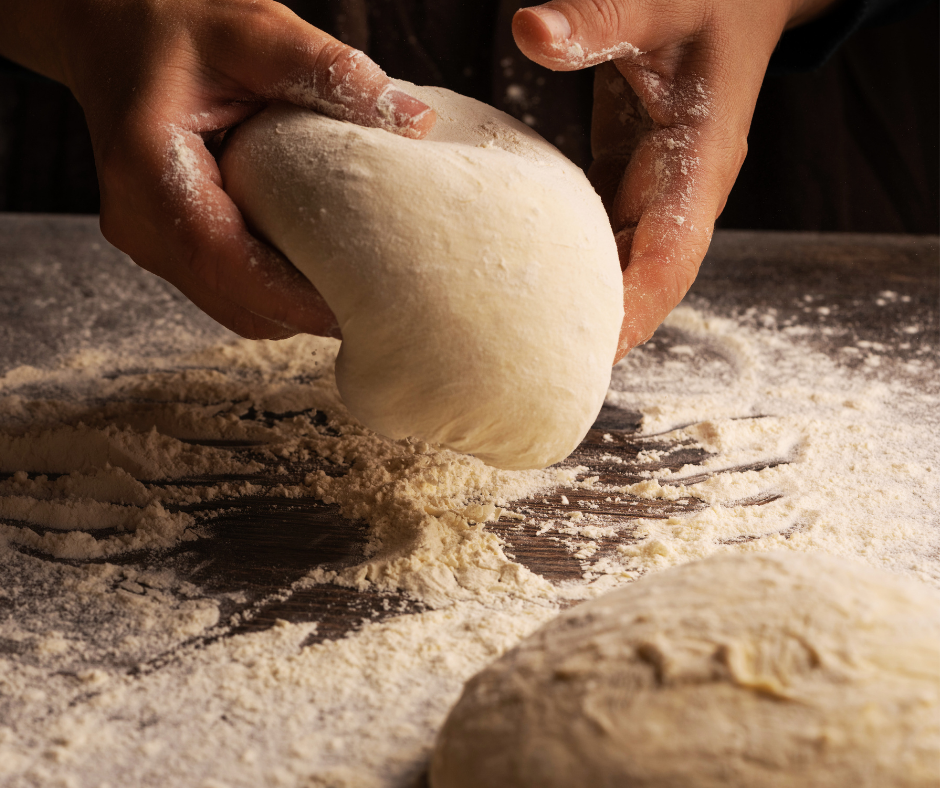
After days of fermentation, the dough resting on the counter has completely transformed. What started as flour, water, and salt has become something alive—soft, airy, and full of tiny bubbles created by wild yeast and beneficial bacteria.
It’s one of my favorite moments of the entire baking process. Because what you’re looking at in that moment is something that simply cannot be rushed.
Good sourdough takes time. And in my kitchen, time is the most important ingredient of all.
It’s something modern baking rarely allows for anymore. The smell of sourdough baking is one of those simple pleasures that never gets old.
Why Long-Fermented Sourdough Is Different
Out of all breads, traditional sourdough is one of the most nourishing ways to enjoy bread. But like most things in food today, not all sourdough is created equally.
True sourdough relies on wild yeast and beneficial bacteria that slowly ferment the dough. This natural fermentation process can take anywhere from 12 hours to several days, depending on the baker and the style of bread. That time is what transforms simple ingredients into something extraordinary.
During long fermentation:
• Gluten begins to break down, making the bread easier to digest
• Phytic acid decreases, allowing your body to absorb more minerals from the grain
• Lactic acid bacteria develop, supporting a healthier gut environment
• Natural acids form that can help slow blood sugar spikes compared to conventional bread
And something fascinating happens during this process.
Natural fermentation also produces prebiotics—special fibers that feed the beneficial bacteria in your gut. While the live cultures themselves don’t survive the heat of baking, these prebiotic compounds remain, helping support digestion and nutrient absorption.
It’s one of the reasons traditionally fermented foods have been valued across cultures for thousands of years.
The Flour Matter Too…
Of course, fermentation is only part of the story.
The flour itself matters deeply.
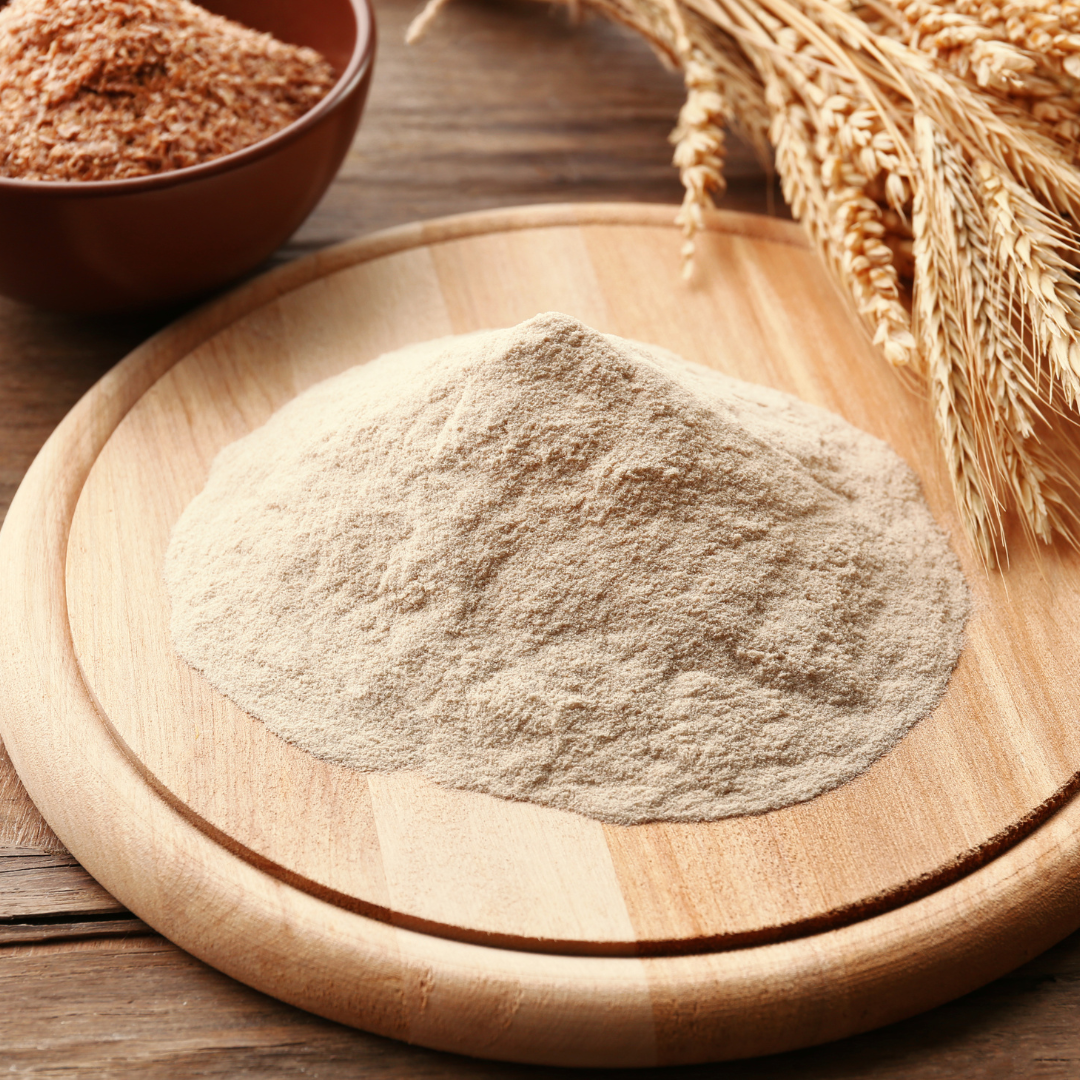
That’s why I choose to bake with Label Rouge French flours whenever possible. Label Rouge is a French certification that guarantees exceptional agricultural quality.
These flours are milled from carefully selected wheat varieties grown under strict farming standards and milled more gently than many commercial flours.
The result is flour that retains more of the grain’s natural minerals, flavor, and character.
When paired with slow fermentation, these flours create bread that is not only more flavorful, but also more nourishing and easier to digest.
Why I Put Sourdough In So Many Things…
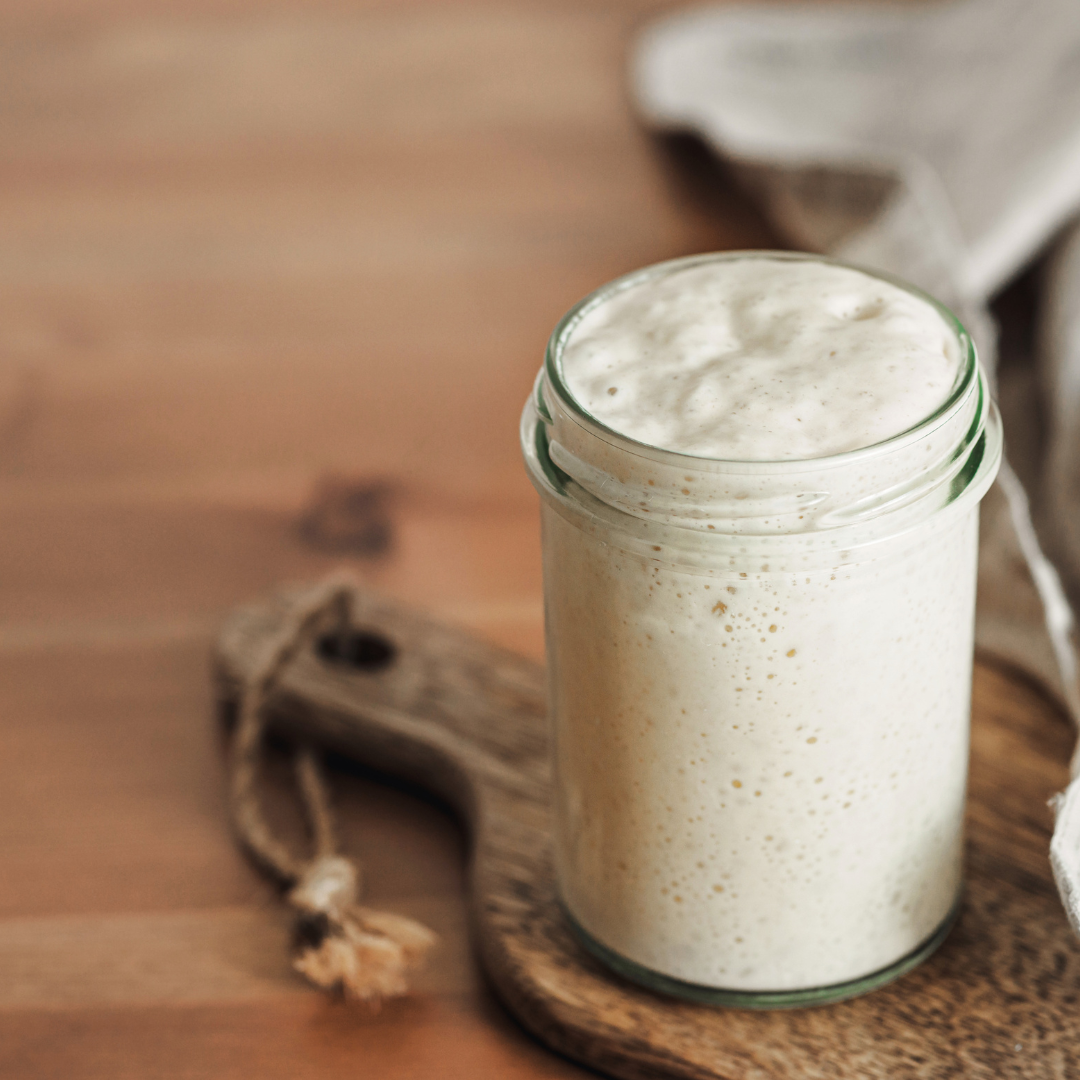
Once you understand the benefits of sourdough fermentation, it becomes hard not to want to use it everywhere.
Which is exactly what I do.
At The Little Bread Box, sourdough isn’t just reserved for bread. I incorporate cultured sourdough into many of the foods I make—including granola, sesame honey crackle, cookies, crackers, and the CinnaRaisin Protein Minis.
All of these doughs and batters are also given time to rest and ferment before baking. It’s a small detail most people never see.
But those quiet hours of fermentation help improve digestibility, flavor, and nourishment in ways that fast baking simply can’t replicate.
Bread is one of the oldest foods humans have ever made.
Across cultures and centuries, people have gathered around it, shared it, and built traditions around it.
My hope with The Little Bread Box is simple…to bring a little bit of that tradition back into our corner of the world—bread made slowly, with care, and with ingredients that truly matter.
I know many people have a complicated relationship with bread these days. Years of diet trends have taught us to see it as something to avoid or feel guilty about.
But bread, when it’s made the traditional way, with nourishing flour, natural fermentation, and plenty of time, can be something entirely different.
Something satisfying. Something grounding. Something meant to be shared and enjoyed.
More Sourdough Features from The Little Bread Box
On the Blog
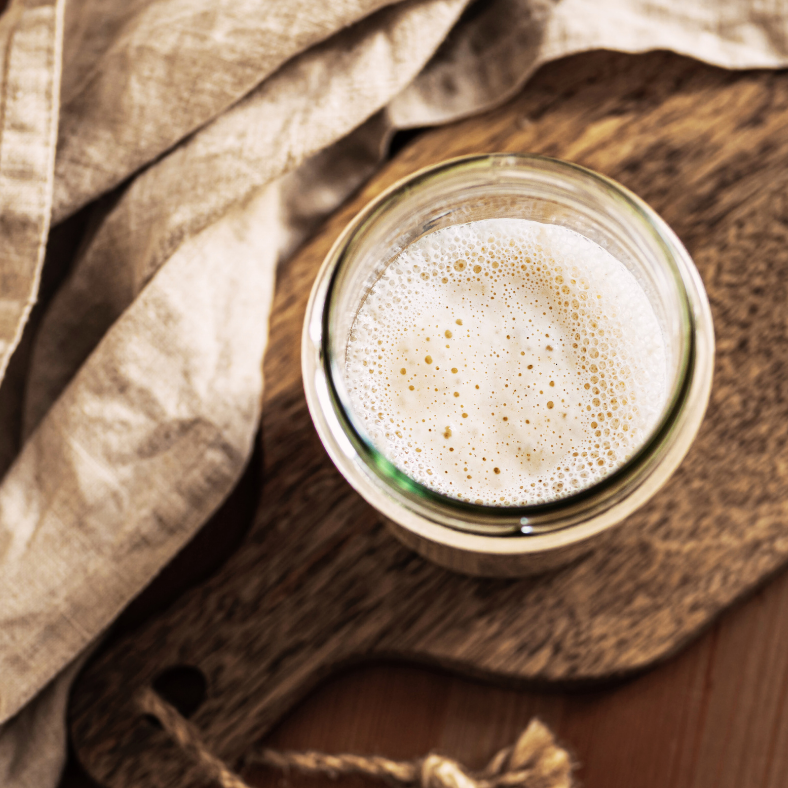
Create Your Own Simple & Sustainable Sourdough Starter
At the Box
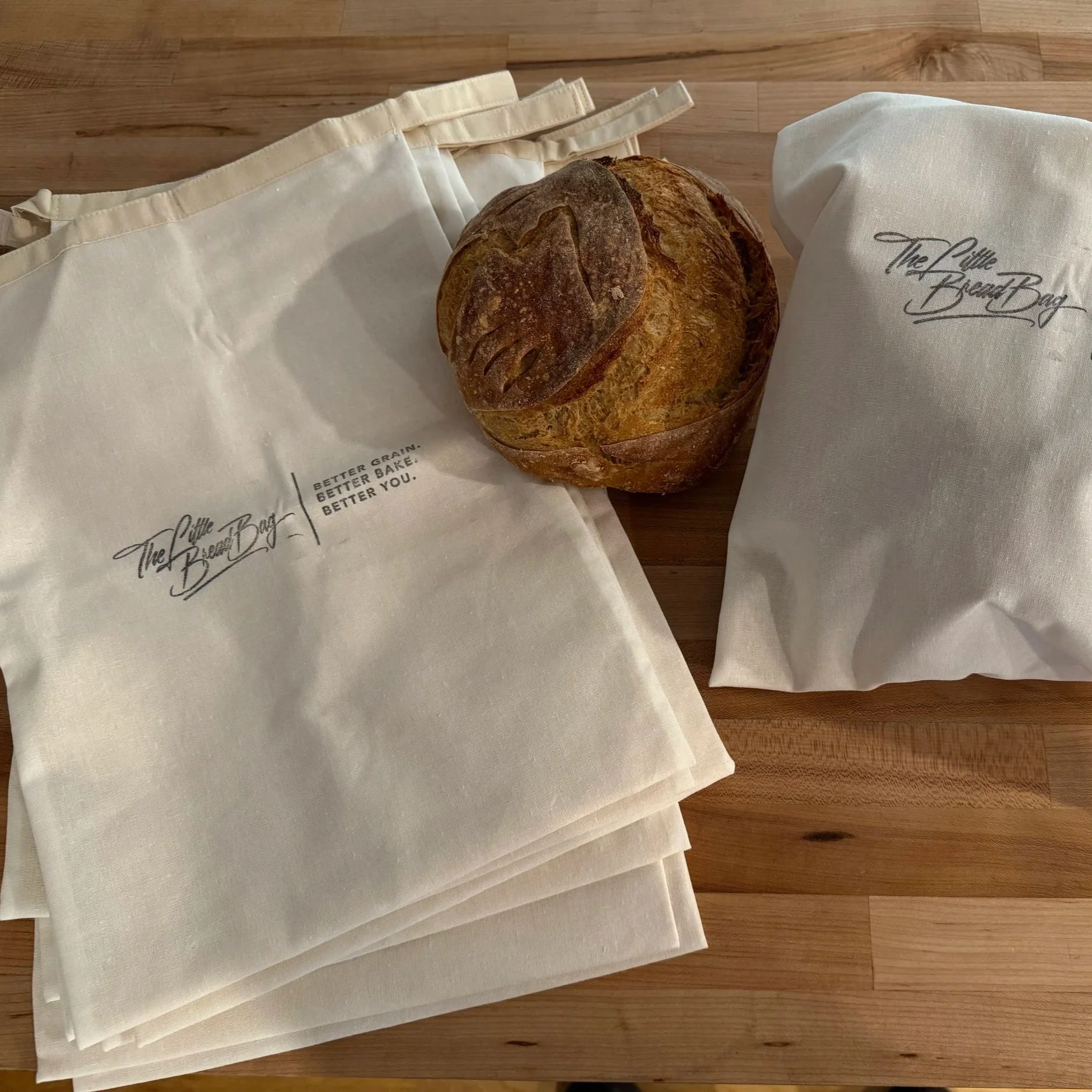
Linen + Beeswax Bread Bag to Naturally Preserve Your Loaf.