
Sourdough: The Original Bread
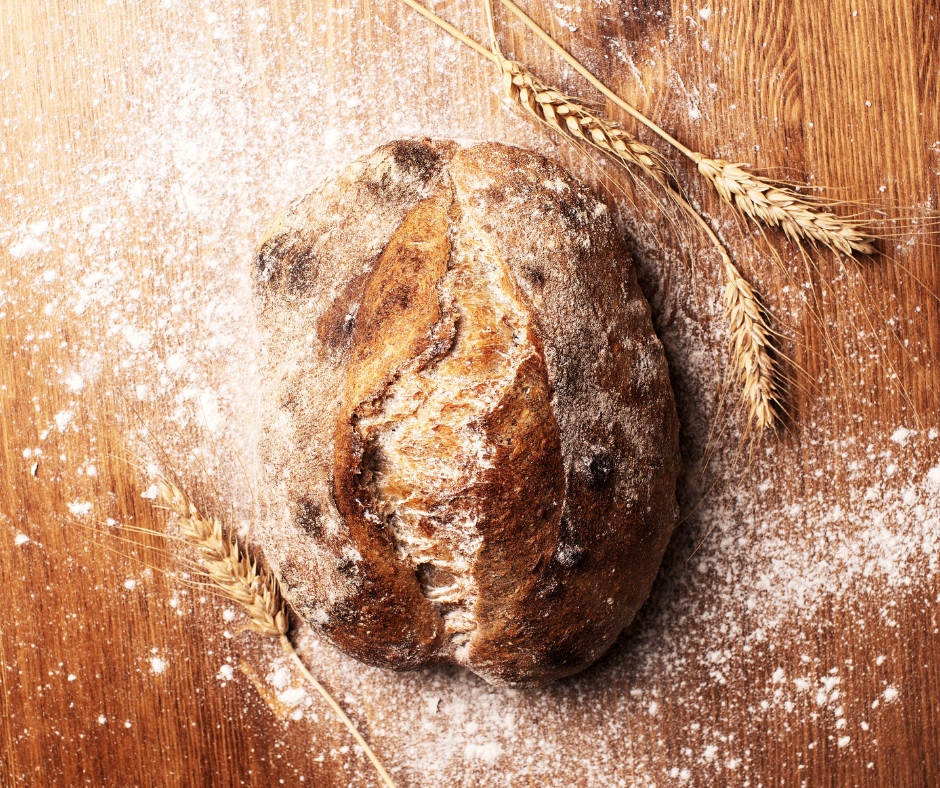
I thought this would be the perfect moment to slow things down and share what sourdough actually is, where it came from, and why I’m so committed to making bread the way I do.
Before commercial yeast existed, all bread was sourdough.
Sourdough dates back over 6,000 years to ancient Egypt, where bakers discovered that flour and water left at the right temperature would naturally ferment. Wild yeast and bacteria present in the grain and the environment leavened bread long before packets and shortcuts existed.
For thousands of years, bread was made with just:
Flour
Water
Salt
Time
Commercial yeast didn’t appear until the mid-1800s. While it made bread faster and more predictable, it also removed much of the fermentation that gives bread its flavor, digestibility, and nourishment.
Is Sourdough Bread Good for You?
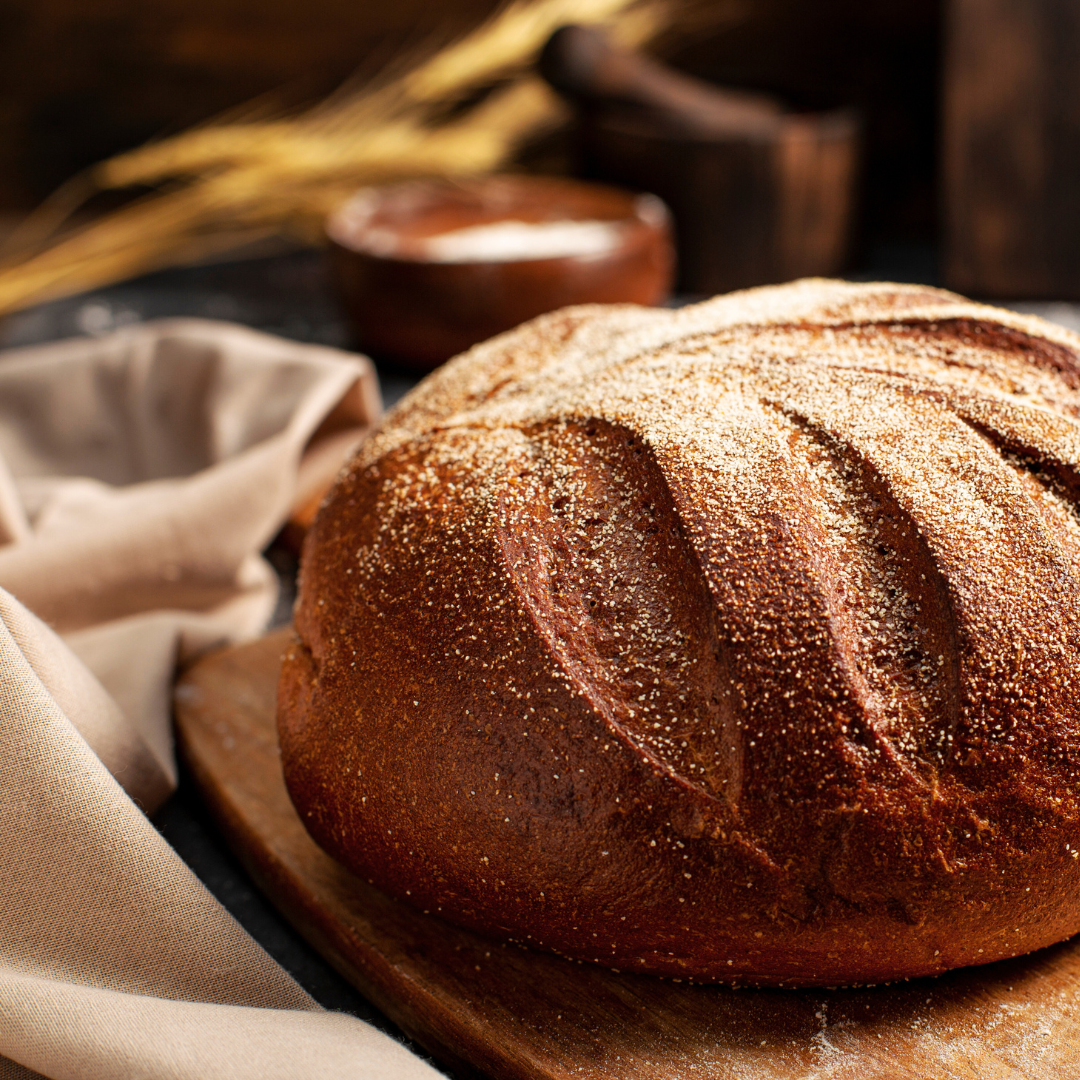
At its most basic level, sourdough is simply flour and water. What makes it special is the fermentation process.
When flour and water ferment slowly:
• Gluten and starches begin to break down, making bread easier to digest
• Phytic acid is reduced, allowing your body to better absorb minerals like iron, magnesium, and zinc
• Beneficial bacteria support a healthy gut microbiome
• Sourdough has a lower glycemic response, helping regulate blood sugar
• Fiber promotes fullness and digestive health
The nutritional benefits vary depending on the flour used, but properly fermented sourdough is simply a more nourishing way to eat bread.
Why I Won’t Rush It…(and, why I use French Flour)
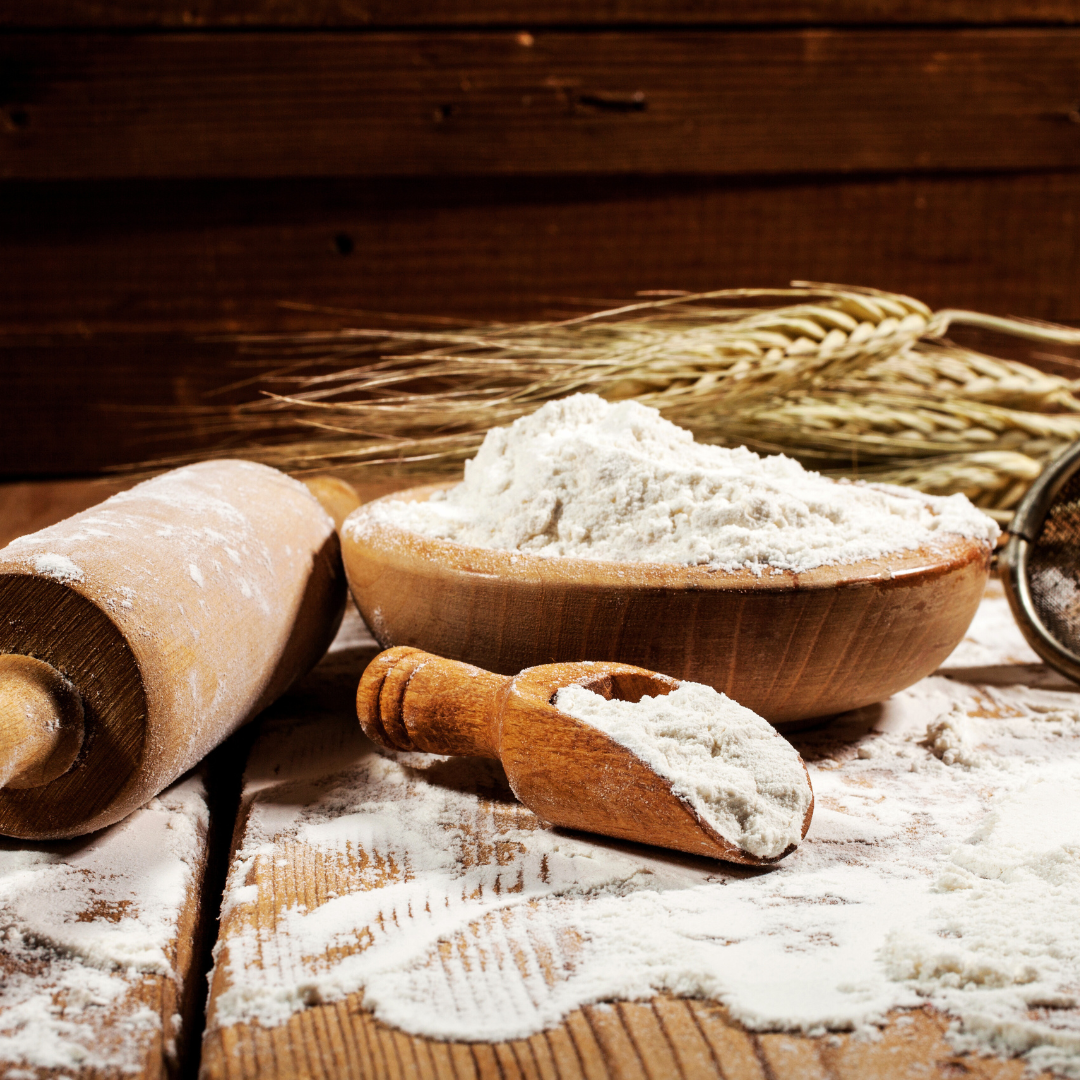
Many modern “sourdough” breads rely on shortcuts — commercial yeast, dough conditioners, and flavor enhancers — because without time, something has to replace fermentation.
When I started The Little Bread Box, I wanted to return to the old ways.
Yes, I use modern equipment to help mix dough, but the method itself is traditional: time, temperature, water, flour, and salt. My doughs ferment slowly — allowing flavor to develop naturally and nutrients to become more bioavailable.
I also use French flour, which is milled and regulated differently than most American flours. French flours are less aggressively refined, designed for long fermentation, generally gentler on digestion and contain more nutrients. When paired with time, they produce bread that feels as good as it tastes.
At the end of the day, sourdough isn’t just a recipe—it’s a relationship.
One built on patience, attention, and the quiet ritual of letting time do what shortcuts never can. That’s the heart of every loaf that comes out of The Little Bread Box: real ingredients, slow fermentation, and a return to the kind of bread that nourishes both body and soul.
More Sourdough Features from The Little Bread Box
On the Blog
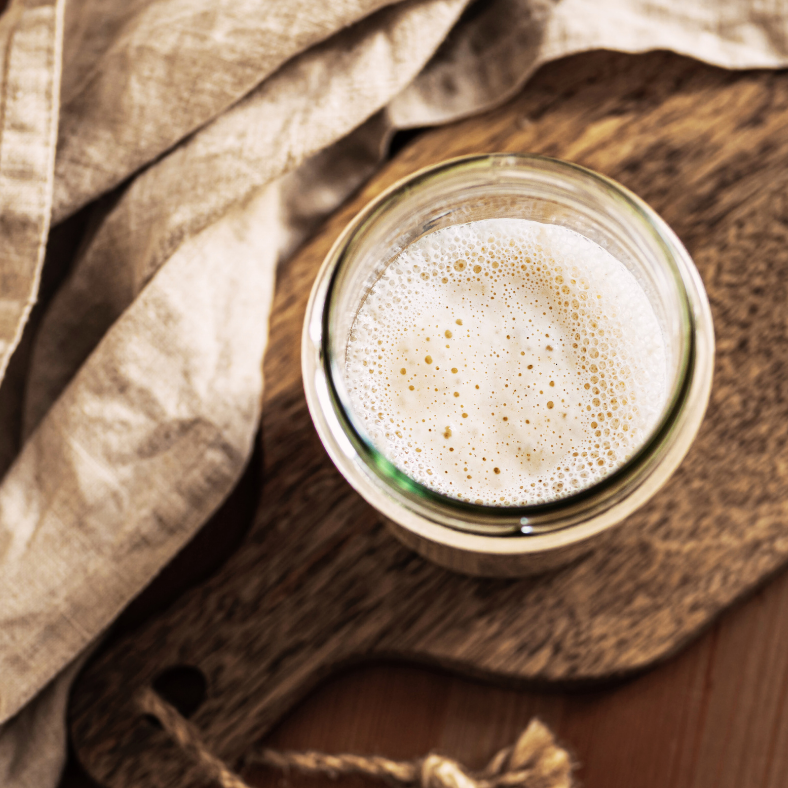
Create Your Own Simple & Sustainable Sourdough Starter
At the Box
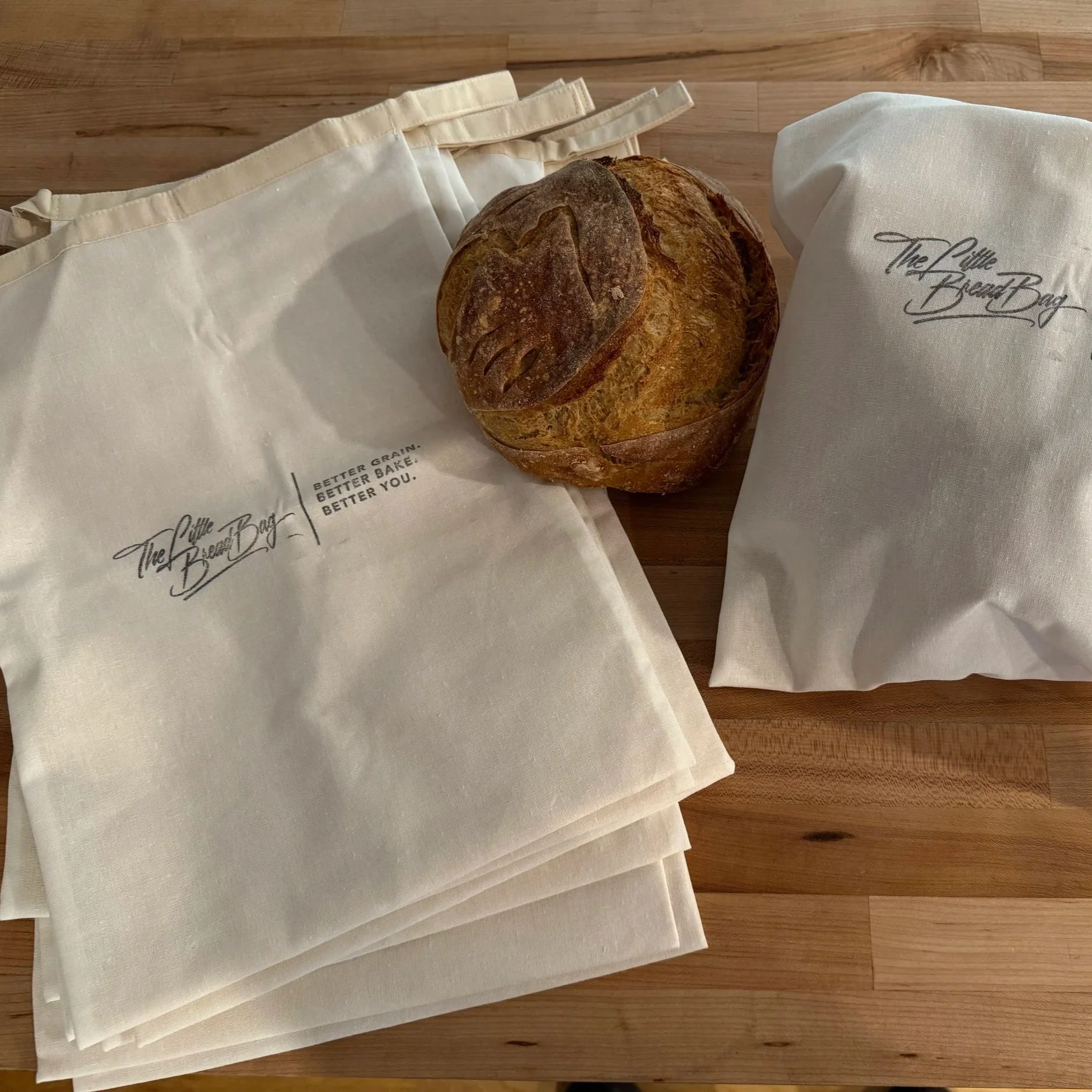
Linen + Beeswax Bread Bag to Naturally Preserve Your Loaf.